Northern Circuit

Mount Kilimanjaro

Best time to visit:

January – March and June – October

Height:

5,895 m

Best known for:

Africa's highest peak

Overview

Africa’s Highest Mountain

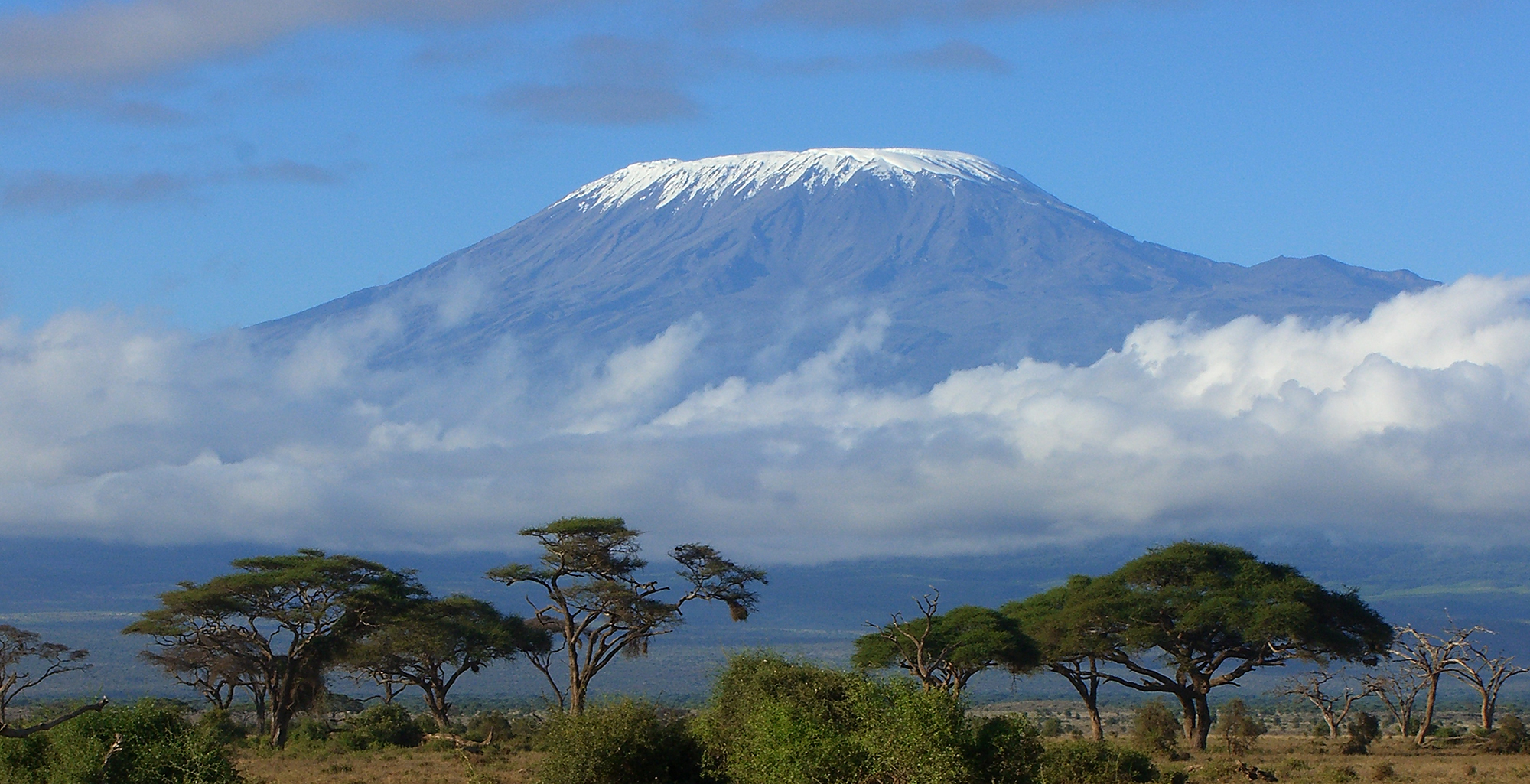
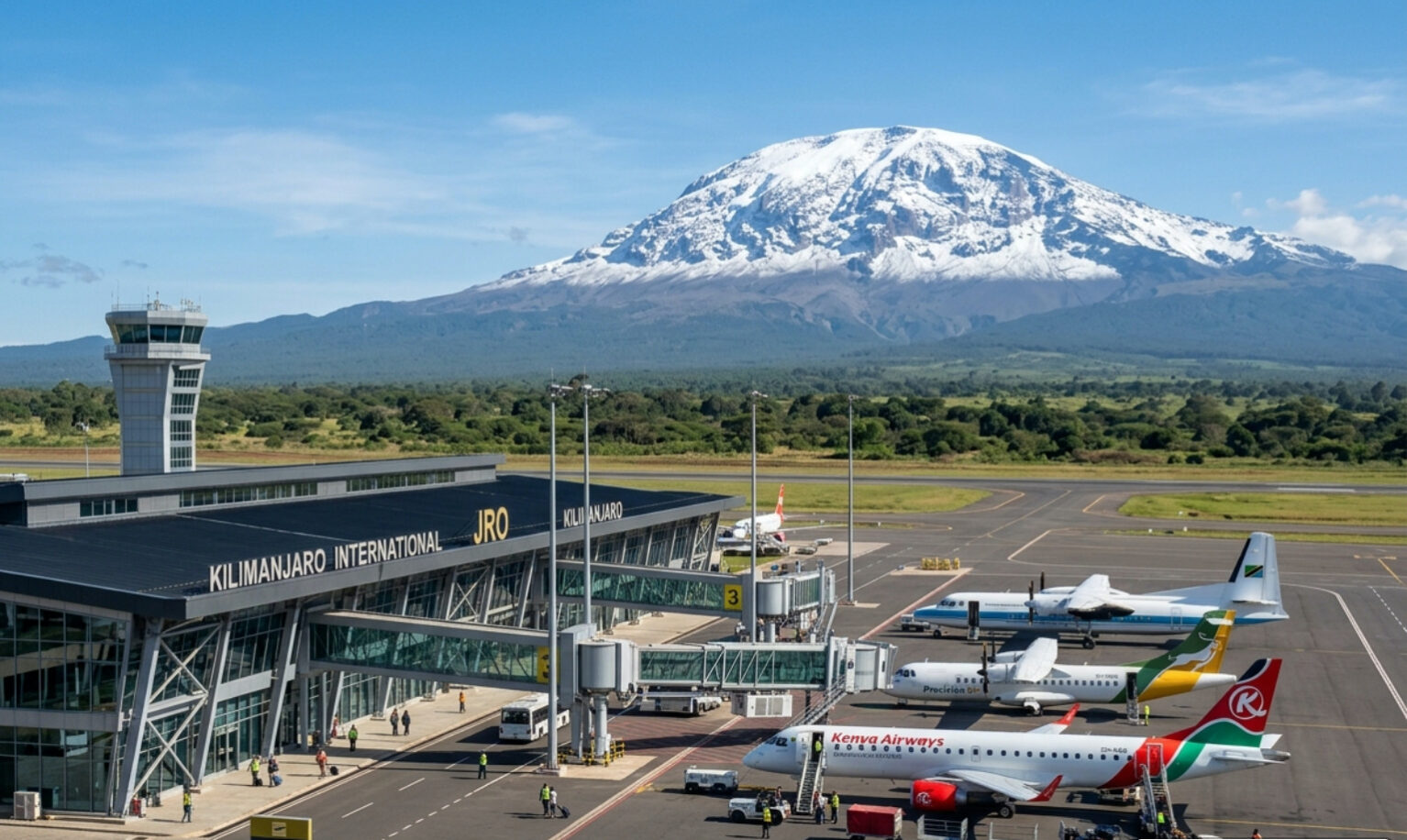
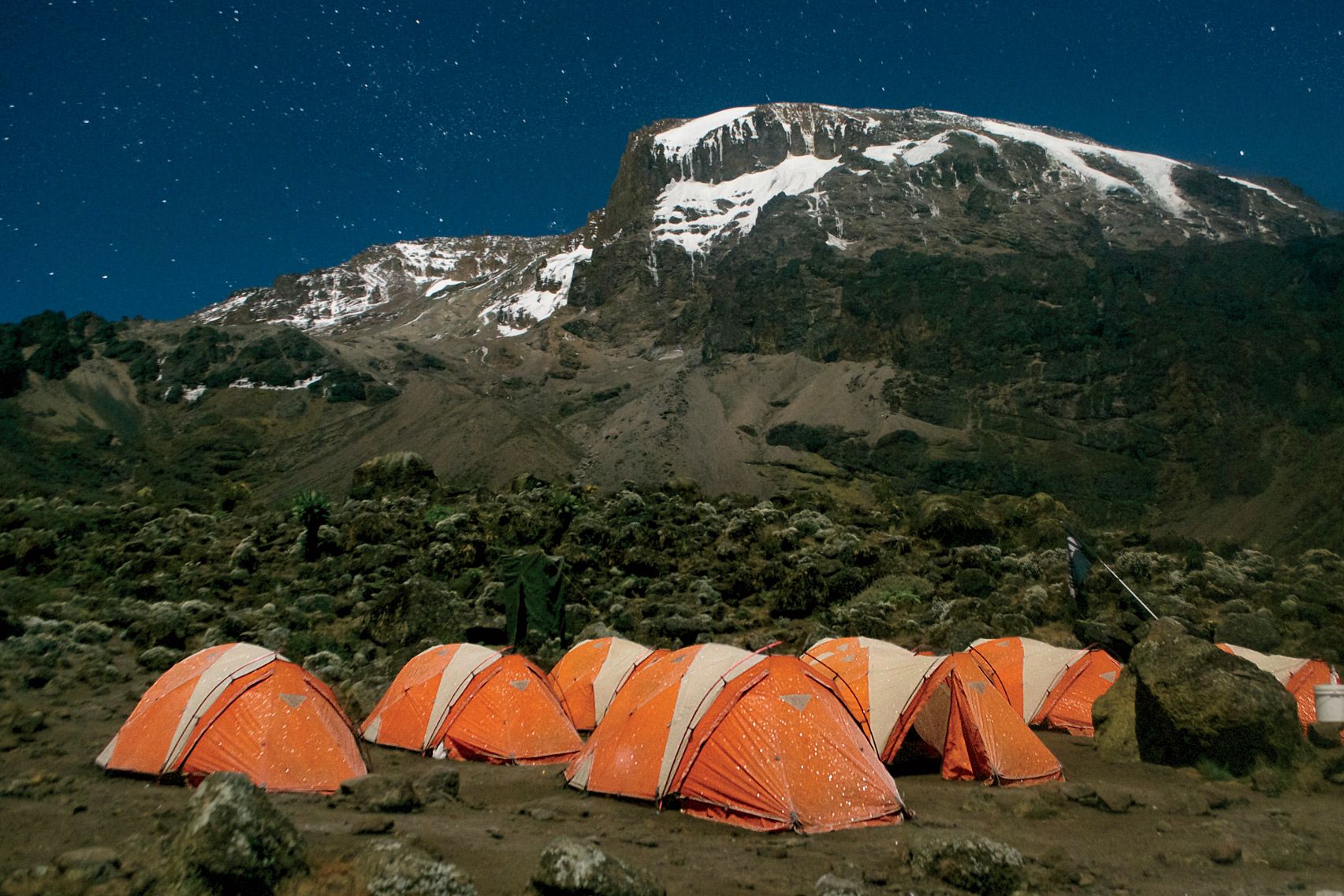
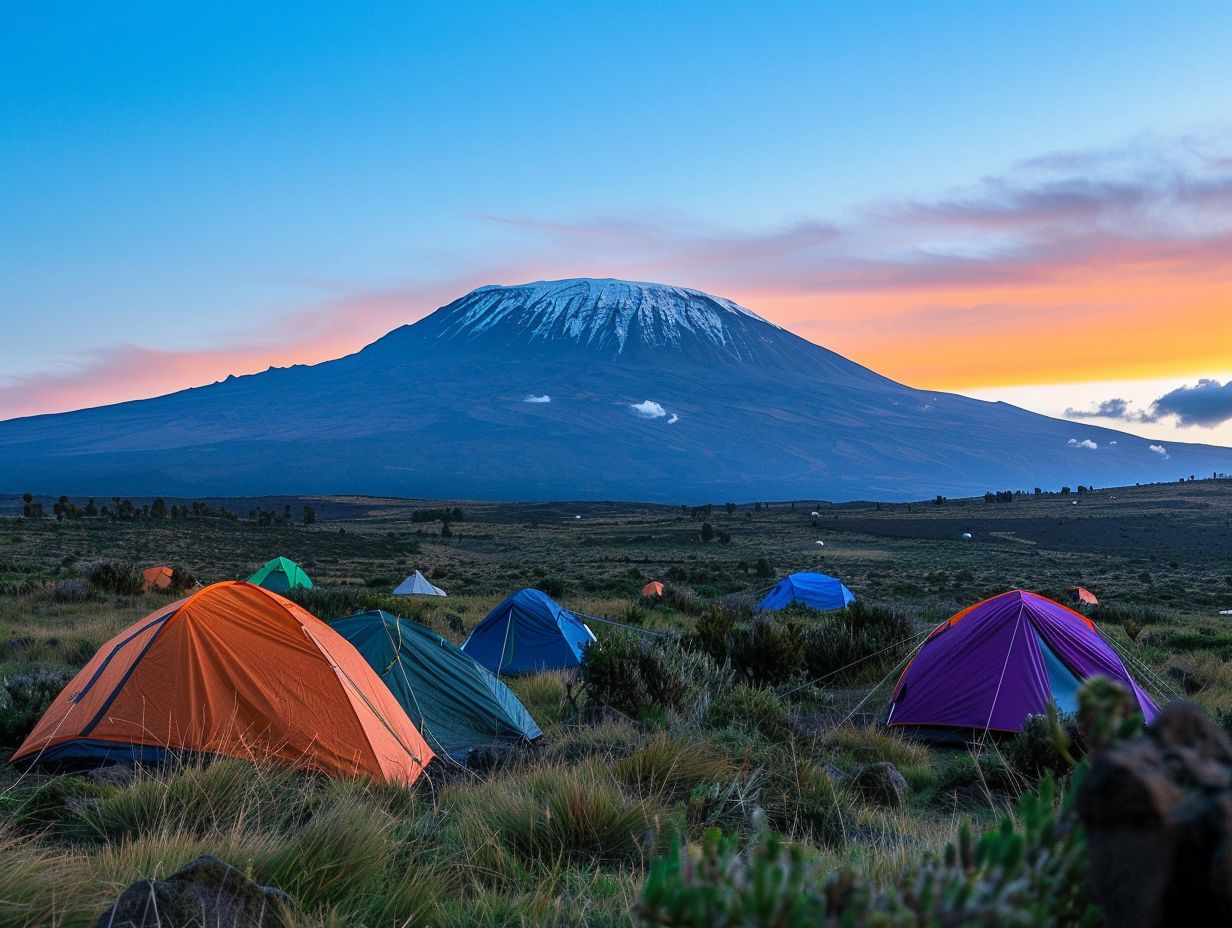
Mount Kilimanjaro is Africa’s highest mountain, rising to approximately 5,895 metres above sea level. Located in northern Tanzania near the Kenyan border, it is one of the country’s most recognised natural landmarks. Its snow-capped summit rises above open plains and cultivated foothills, creating a striking contrast with the surrounding landscape. Kilimanjaro attracts climbers from around the world who want to experience the challenge of reaching its highest point.

A Mountain of Five Vegetation Zones

Climbing Mount Kilimanjaro takes you through several distinct ecological zones. The lower slopes feature farmland and forest, followed by moorland, alpine desert and the cold summit environment. Each zone has its own vegetation, climate and scenery. This gradual change makes the climb feel like a journey through different landscapes, even within a single expedition.

Spectacular Summit and Volcanic Landscapes

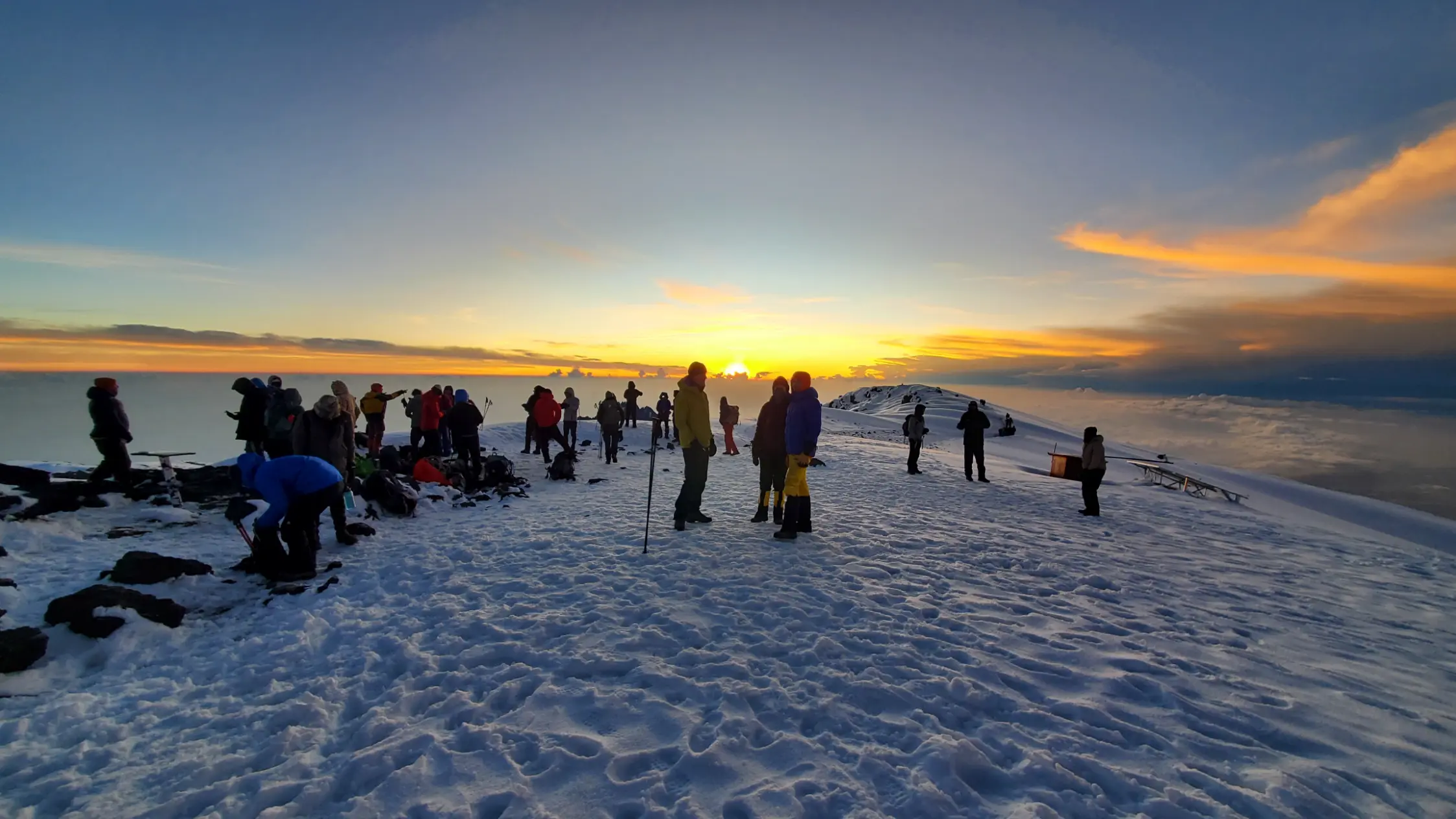
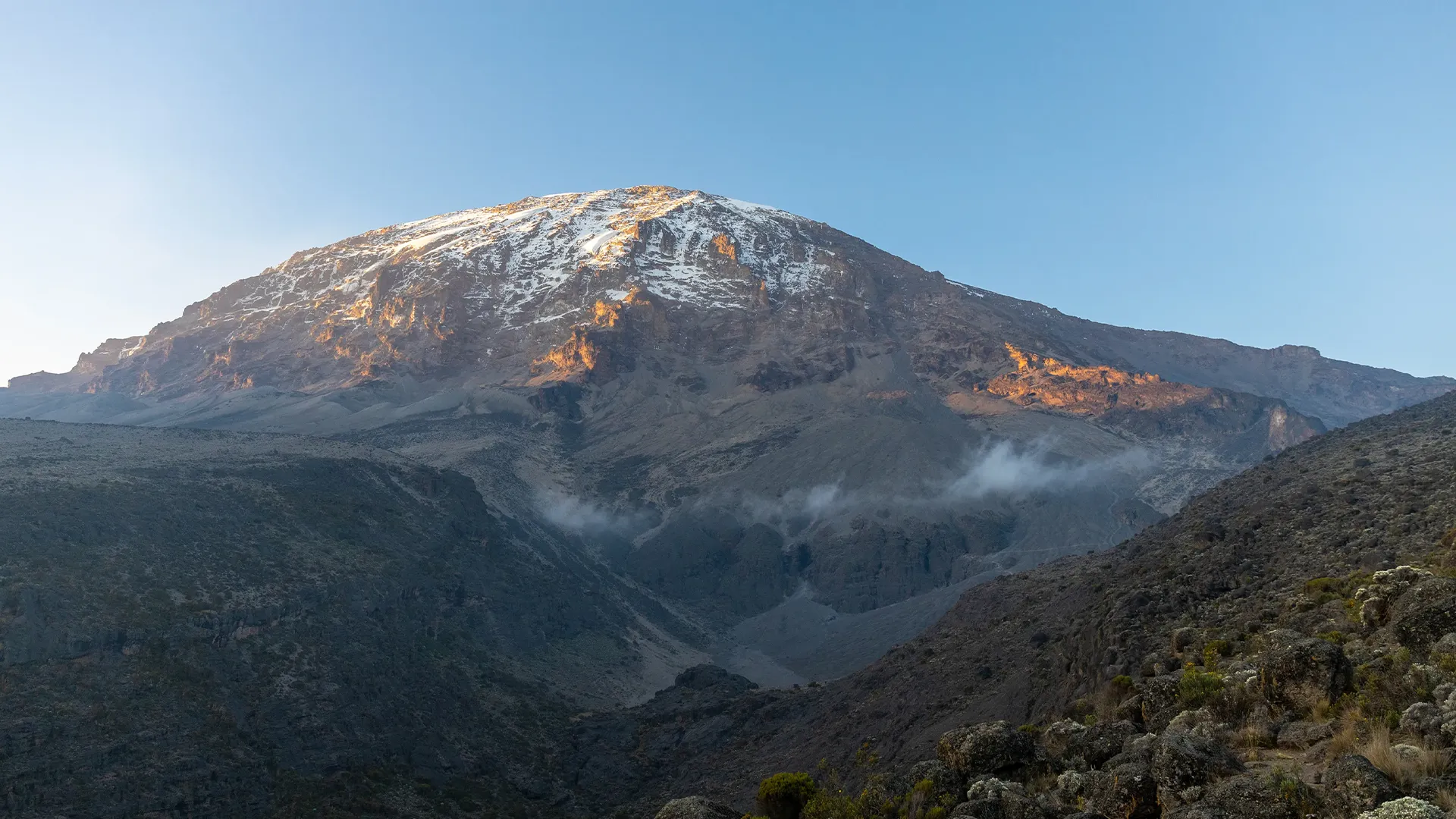
Kilimanjaro is a dormant volcanic mountain with three volcanic cones: Kibo, Mawenzi and Shira. Uhuru Peak, on Kibo’s crater rim, is the mountain’s highest point. The upper slopes feature volcanic rock, glaciers and expansive views when the weather is clear. Reaching the summit usually involves a demanding night ascent followed by a sunrise near the top.

Diverse Wildlife and Montane Forests

The lower slopes of Mount Kilimanjaro support montane forests, where wildlife includes blue monkeys, black-and-white colobus monkeys, bushbucks and a variety of bird species. Elephants and buffaloes may occur in forest areas, although sightings are not guaranteed. Wildlife is generally more abundant on the lower slopes than in the high-altitude zones, where conditions become too harsh for many animals.

Multiple Routes to the Summit

Mount Kilimanjaro has several established climbing routes, including Machame, Marangu, Lemosho, Rongai and the Northern Circuit. Each route offers a different combination of scenery, difficulty, duration and accommodation arrangements. Longer itineraries generally provide more time for acclimatisation, which can improve the chance of reaching the summit. Climbers should choose a route based on fitness, experience, available time and altitude considerations.
Iconic wildlife

Blue Monkey African Elephant Buffalo Warthog Crowned Eagle

When To Visit Mount Kilimanjaro

Mount Kilimanjaro in January

January is a popular month for climbing Mount Kilimanjaro. Conditions are often relatively dry, although clouds and occasional showers can occur. Clear mornings may provide excellent mountain views, while temperatures at the summit remain well below freezing.

Overview

A Very good time to Visit.

Weather in January

Overview

A Very good time to Visit.

Weather in January

Mount Kilimanjaro in February

February often offers warm conditions on the lower slopes and favourable trekking weather. Clear skies can create good opportunities for summit views and photography. Climbers should still prepare for freezing temperatures and strong winds near the top.

Overview

A Very good time to Visit.

Weather in February

Overview

A Very good time to Visit.

Weather in February

Mount Kilimanjaro in March

March can begin with good climbing conditions, but rainfall generally increases as the month progresses. The lower forest becomes greener, while clouds may reduce visibility on the upper slopes. Climbers should prepare for changing weather and potentially wet trails.

Overview

A Very good time to Visit, with Pros & Cons

Weather in March

Overview

A Very good time to Visit, with Pros & Cons

Weather in March

Mount Kilimanjaro in April

April is generally one of the wettest months on Mount Kilimanjaro. Rain, mud and cloud cover can make some sections more difficult and reduce summit visibility. Climbers who choose this period should be prepared for challenging conditions and should seek advice from experienced operators.

Overview

This is not a great time to visit.

Weather in April

Overview

This is not a great time to visit.

Weather in April

Mount Kilimanjaro in May

Rain may continue through May, although conditions can begin improving toward the end of the month. Forest trails may remain muddy, and clouds can obscure mountain views. This period may appeal to travellers seeking fewer climbers, but weather conditions require flexibility.

Overview

A Very good time to Visit, with Pros & Cons

Weather in May

Overview

A Very good time to Visit, with Pros & Cons

Weather in May

Mount Kilimanjaro in June

June marks the start of the main dry climbing season. Trails often become firmer, and visibility may improve as rainfall decreases. Temperatures remain cold at higher elevations, particularly during the summit attempt.

Overview

A Very good time to Visit.

Weather in June

Overview

A Very good time to Visit.

Weather in June

Mount Kilimanjaro in July

July is a popular month for climbing, with generally dry conditions and good opportunities for mountain views. Nights at high altitude are extremely cold, and some routes can be busy. Booking in advance is advisable during this period.

Overview

A Very good time to Visit.

Weather in July

Overview

A Very good time to Visit.

Weather in July

Mount Kilimanjaro in August

August usually provides favourable climbing conditions, with limited rainfall and good visibility on many days. The dry trails can make trekking more comfortable, although wind and cold remain important challenges near the summit.

Overview

A Very good time to Visit.

Weather in August

Overview

A Very good time to Visit.

Weather in August

Mount Kilimanjaro in September

September often brings continued dry weather and good summit-view opportunities. The lower slopes can be relatively mild, while the upper mountain remains cold and exposed. It is a strong choice for climbers seeking favourable conditions.

Overview

A Very good time to Visit.

Weather in September

Overview

A Very good time to Visit.

Weather in September

Mount Kilimanjaro in October

October is generally favourable for climbing, especially during the earlier part of the month. Conditions may become wetter toward the end as the short rains approach. Climbers should prepare for cold summit temperatures and possible changes in visibility.

Overview

A Very good time to Visit.

Weather in October

Overview

A Very good time to Visit.

Weather in October

Mount Kilimanjaro in December

December offers a mix of dry spells and occasional rain, particularly around the beginning of the month. Conditions may improve later in December, making it a popular period for holiday climbs. The summit remains cold, and weather can change quickly.

Overview

A Very good time to Visit.

Weather in December

Overview

A Very good time to Visit.

Weather in December

Mount Kilimanjaro in November

November often brings short rains, although rainfall varies from year to year and by location. Trails may become wet, and clouds can affect views. Climbing remains possible, but waterproof clothing and flexible expectations are important.

Overview

A Very good time to Visit, with Pros & Cons

Weather in November

Overview

A Very good time to Visit, with Pros & Cons

Weather in November

Ready to explore Mount Kilimanjaro?

Start Planning Your Dream Safari

Ready to explore Tanzania? Get in touch with our team to discuss a safari itinerary around this destination, tailor the experience to your interests and start planning a journey that is uniquely yours.

Popup Tailor made safari

YOUR CONTACT DETAILS

TRAVEL INFORMATION

HOW MANY PEOPLE WILL BE TRAVELING


DO YOU HAVE ANY PREFERENCES FOR YOUR TRIP?