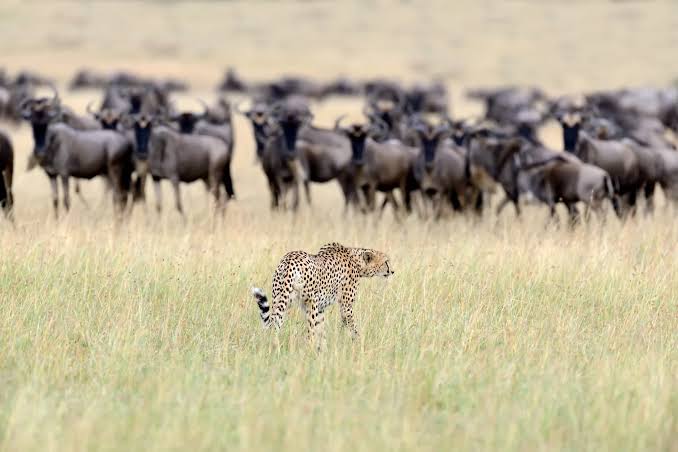
An Immense Wildlife Landscape
Serengeti National Park is one of Tanzania’s most famous safari destinations. It covers vast plains, rocky hills, woodlands and river valleys. The park lies in northern Tanzania and forms part of the wider Serengeti ecosystem. Its open landscapes support large numbers of wild animals. They also create excellent opportunities for game drives and wildlife photography.
Home of the Great Wildebeest Migration
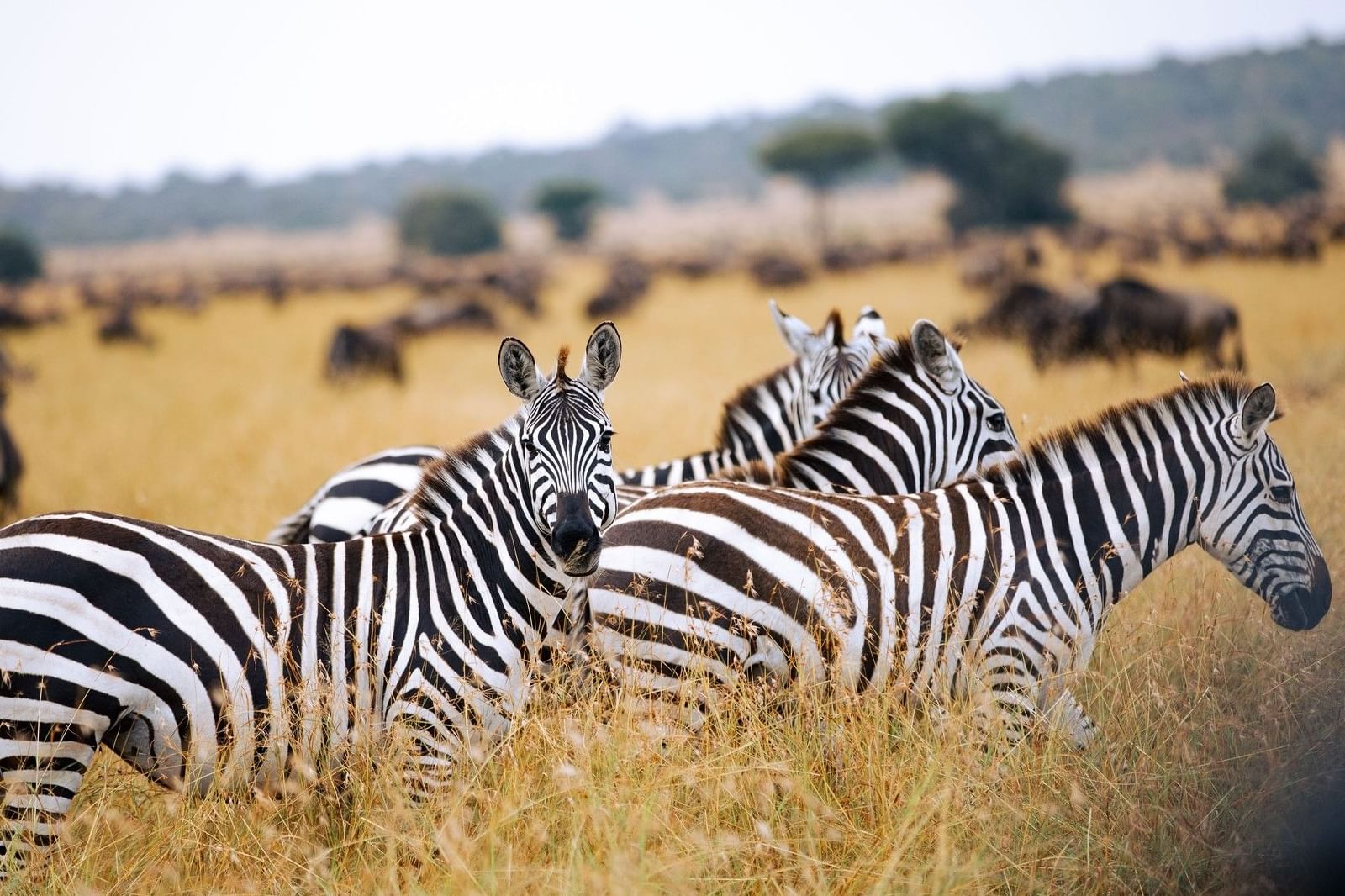
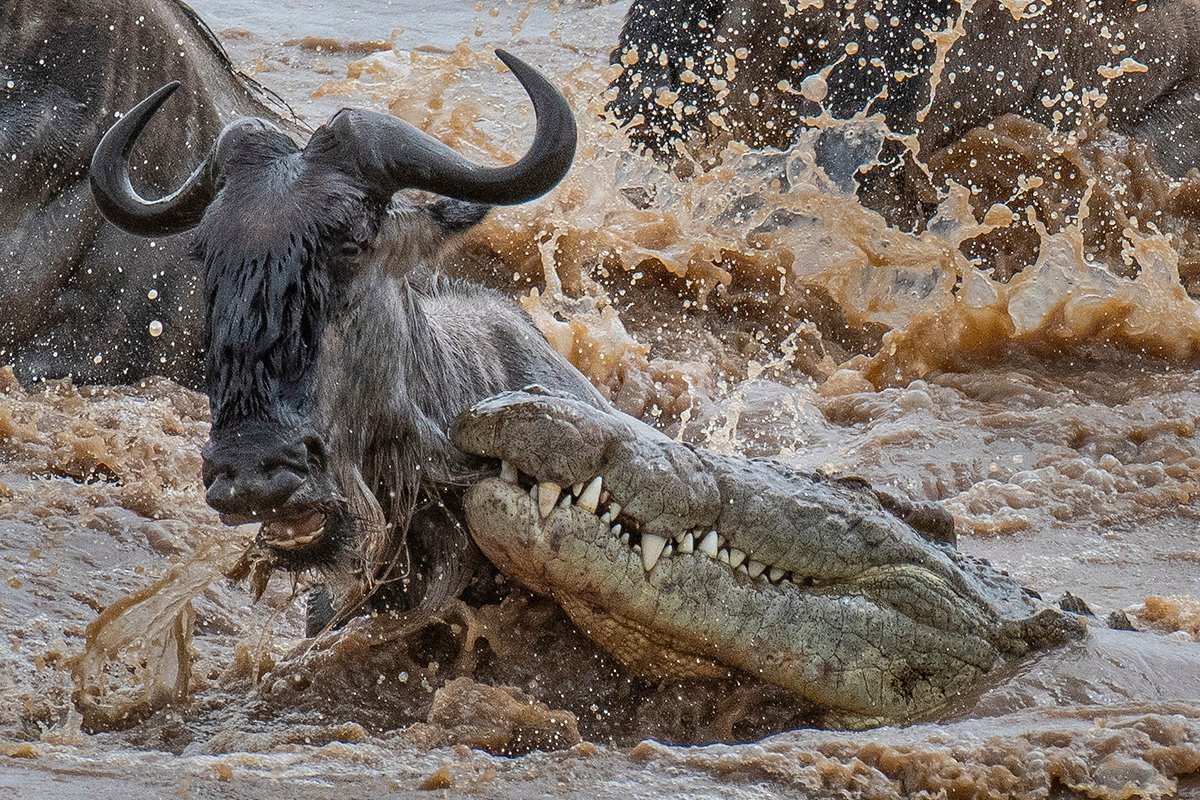
The park is world-famous for the Great Wildebeest Migration. Each year, millions of wildebeest move across the wider ecosystem in search of fresh grass and water. They travel with large herds of zebras and gazelles. Their movement follows rainfall, so the timing and location can change. This natural event offers some of Africa’s most remarkable wildlife encounters.
Exceptional Wildlife and Big Five Safaris
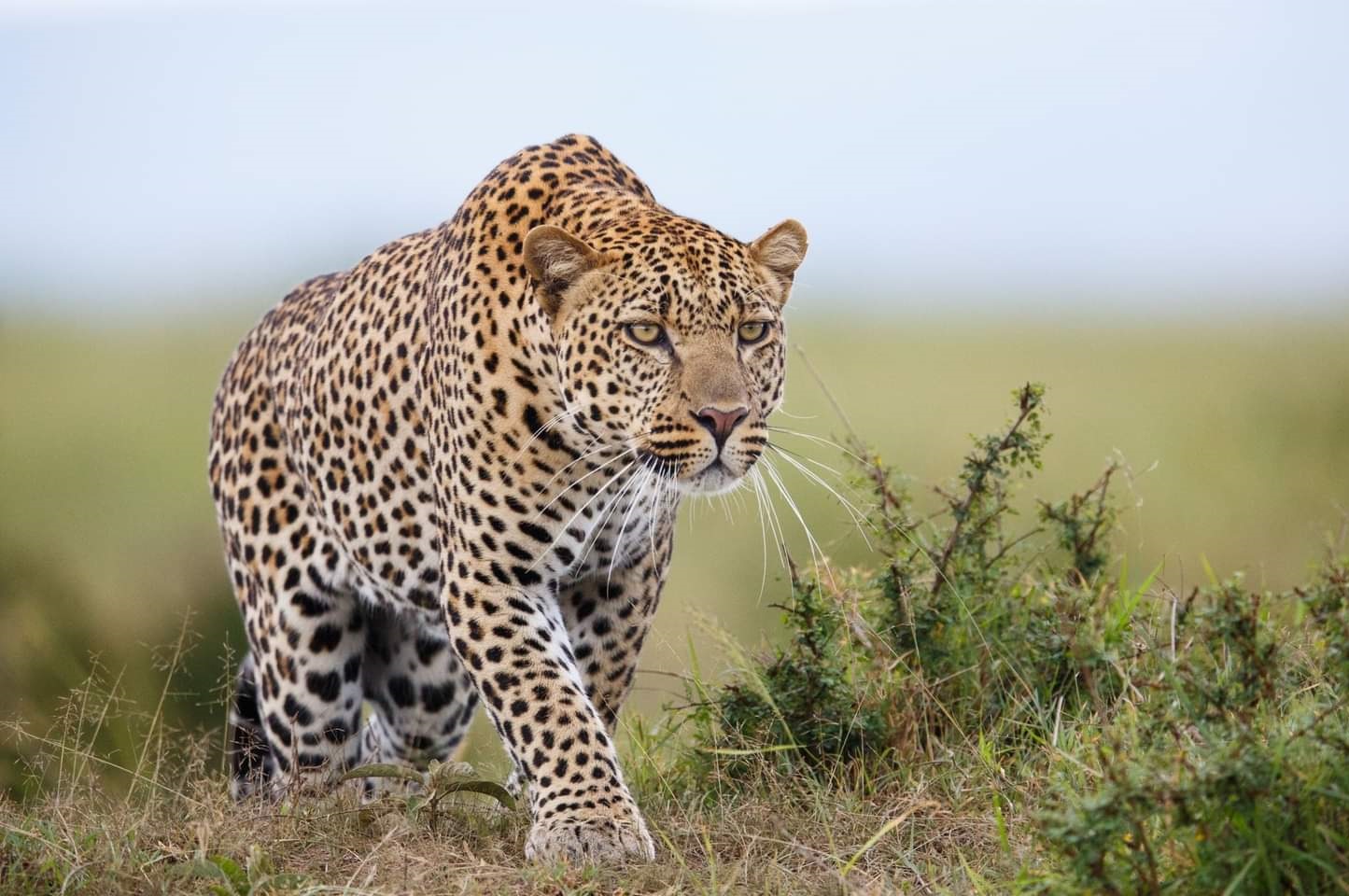
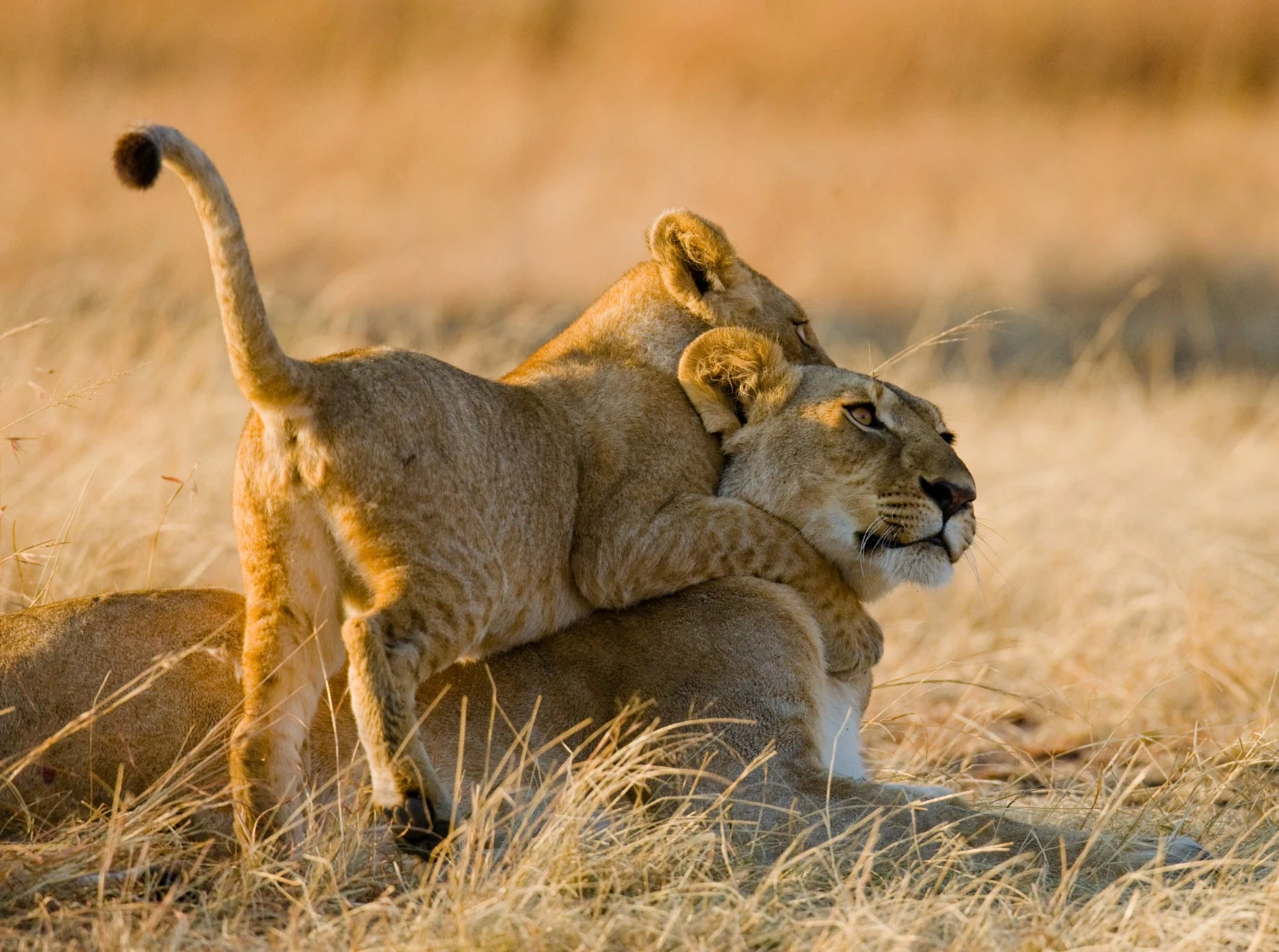
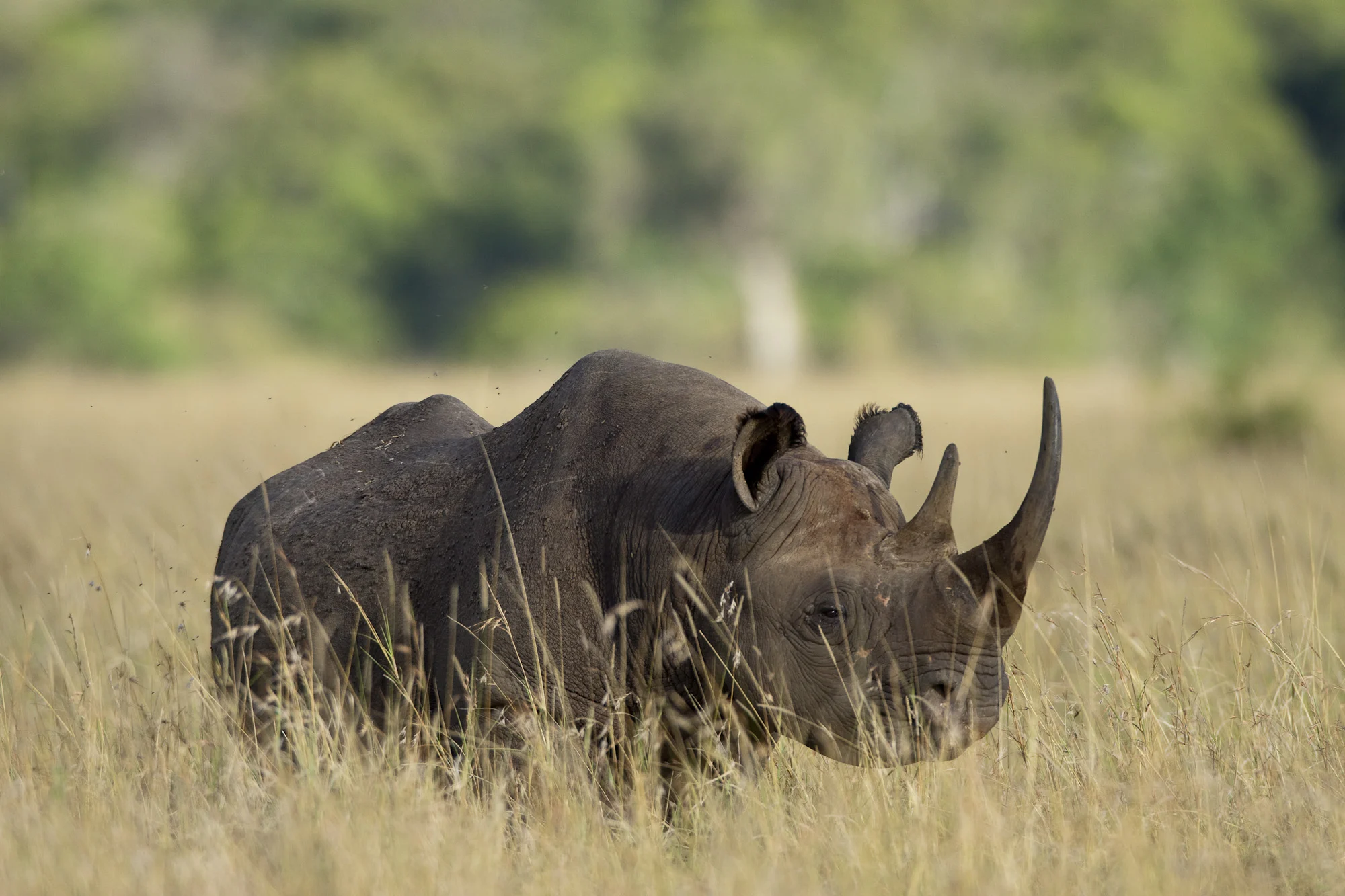
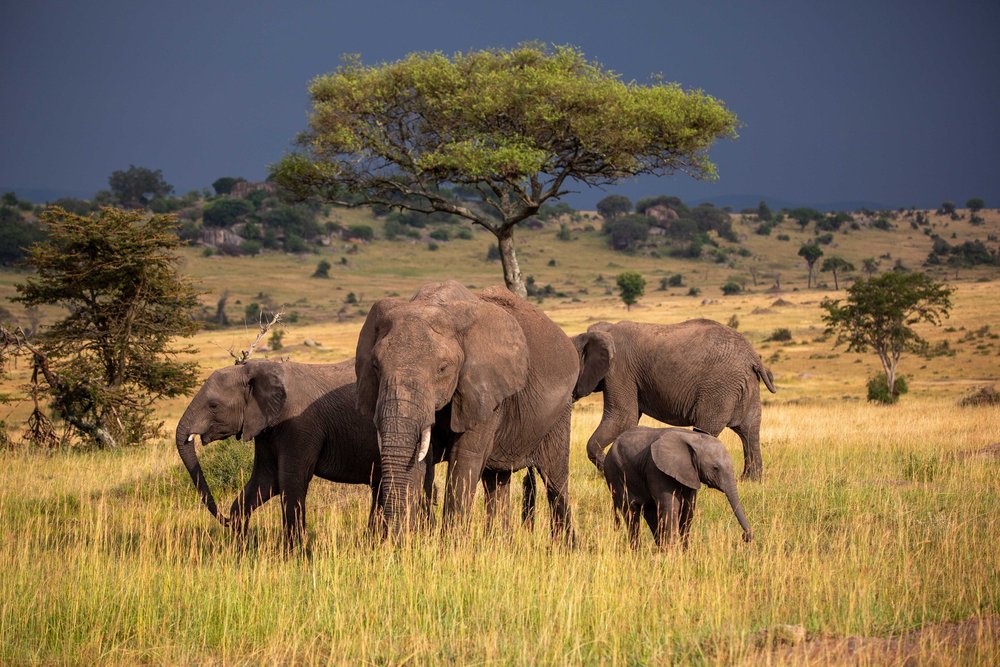
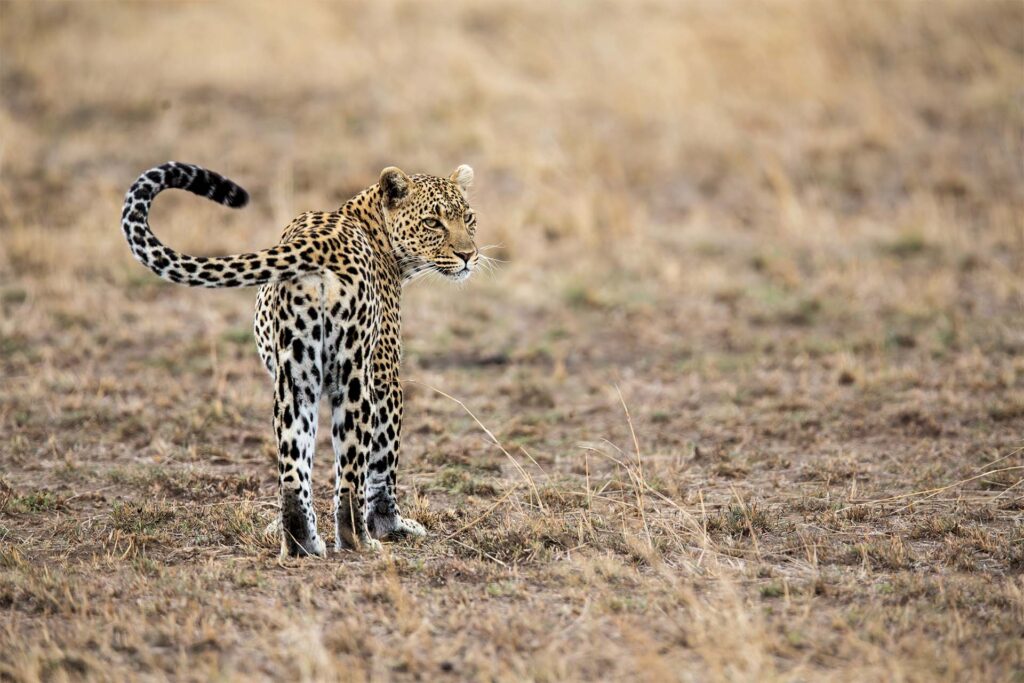
Serengeti National Park supports a rich variety of wildlife. Lions, elephants, leopards, buffaloes and other large mammals roam its different habitats. Cheetahs often hunt across the open plains. Hyenas, giraffes, hippos and many antelope species also live here. These diverse animals make the park a leading choice for a classic African safari.
Vast Plains and Diverse Landscapes
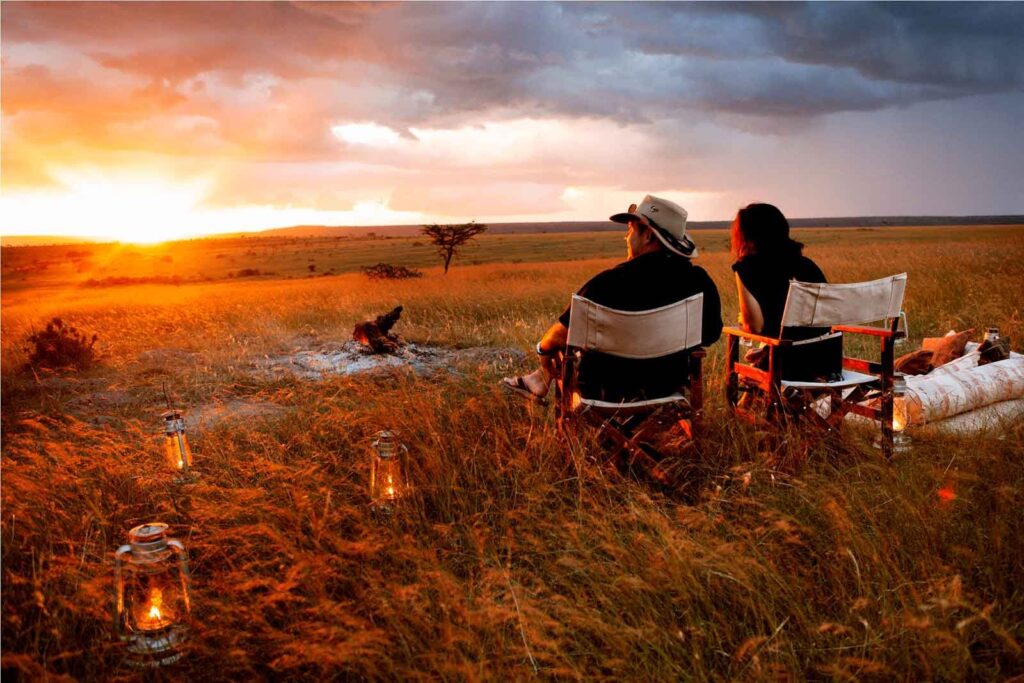
The Serengeti is known for its endless golden grasslands. However, the scenery changes across the park. Granite rock formations, known as kopjes, rise above the plains. Woodlands and river areas provide shelter, food and water for wildlife. These varied habitats create different viewing opportunities throughout the year.
More Than a Wildlife Destination
Serengeti National Park is part of a wider landscape with deep cultural and natural significance. The surrounding region includes important archaeological sites and communities with long pastoral traditions. Nearby, the wider ecosystem connects with the Ngorongoro Conservation Area and Kenya’s Maasai Mara. Together, these landscapes support the seasonal movement of wildlife across national borders.