Northern Circuit

Ngorongoro Crater

Best time to visit:

June–October

Park size:

260 km²

Best known for:

Big Five safaris, black rhinos

Overview

A Natural Wonder in Northern Tanzania

Ngorongoro Crater is one of Tanzania’s most remarkable natural attractions. It lies within the Ngorongoro Conservation Area in northern Tanzania. The crater formed when a massive volcano collapsed millions of years ago. Today, its steep walls surround a beautiful landscape of grasslands, forests, wetlands and lakes. The crater measures about 20 kilometres across and covers approximately 260 km².

One of Africa’s Best Wildlife Destinations

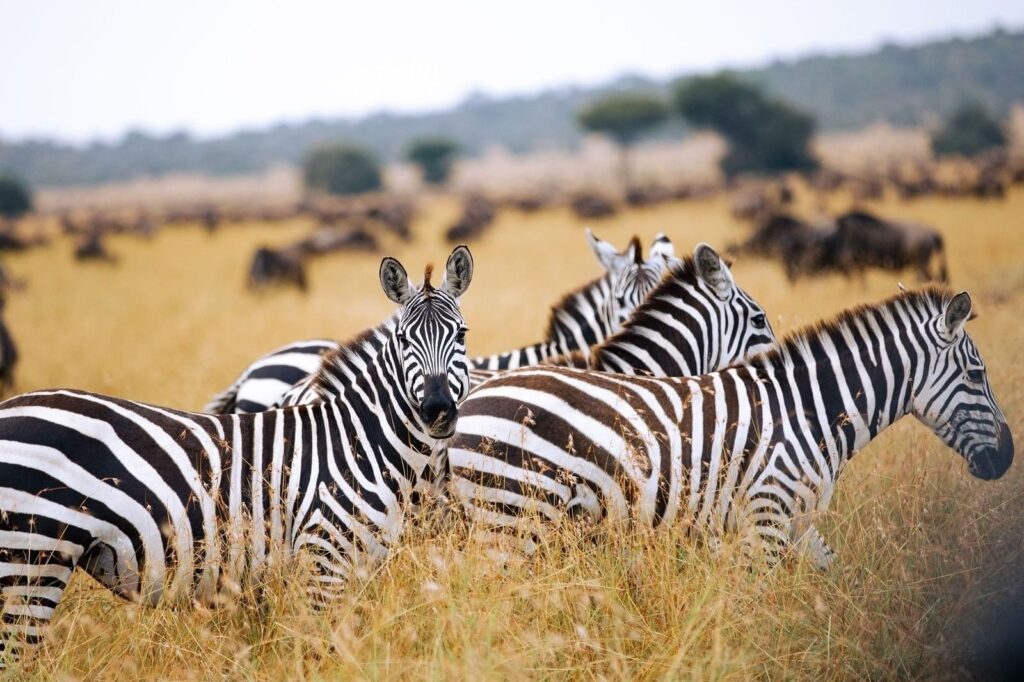
The crater floor supports a remarkable concentration of wildlife. Open grasslands provide food for zebras, wildebeest and gazelles. Permanent water sources attract many animals throughout the year. This makes Ngorongoro an excellent destination for game drives. Its compact landscape also allows visitors to see a wide range of wildlife in a single safari.

A Remarkable Place to See the Big Five

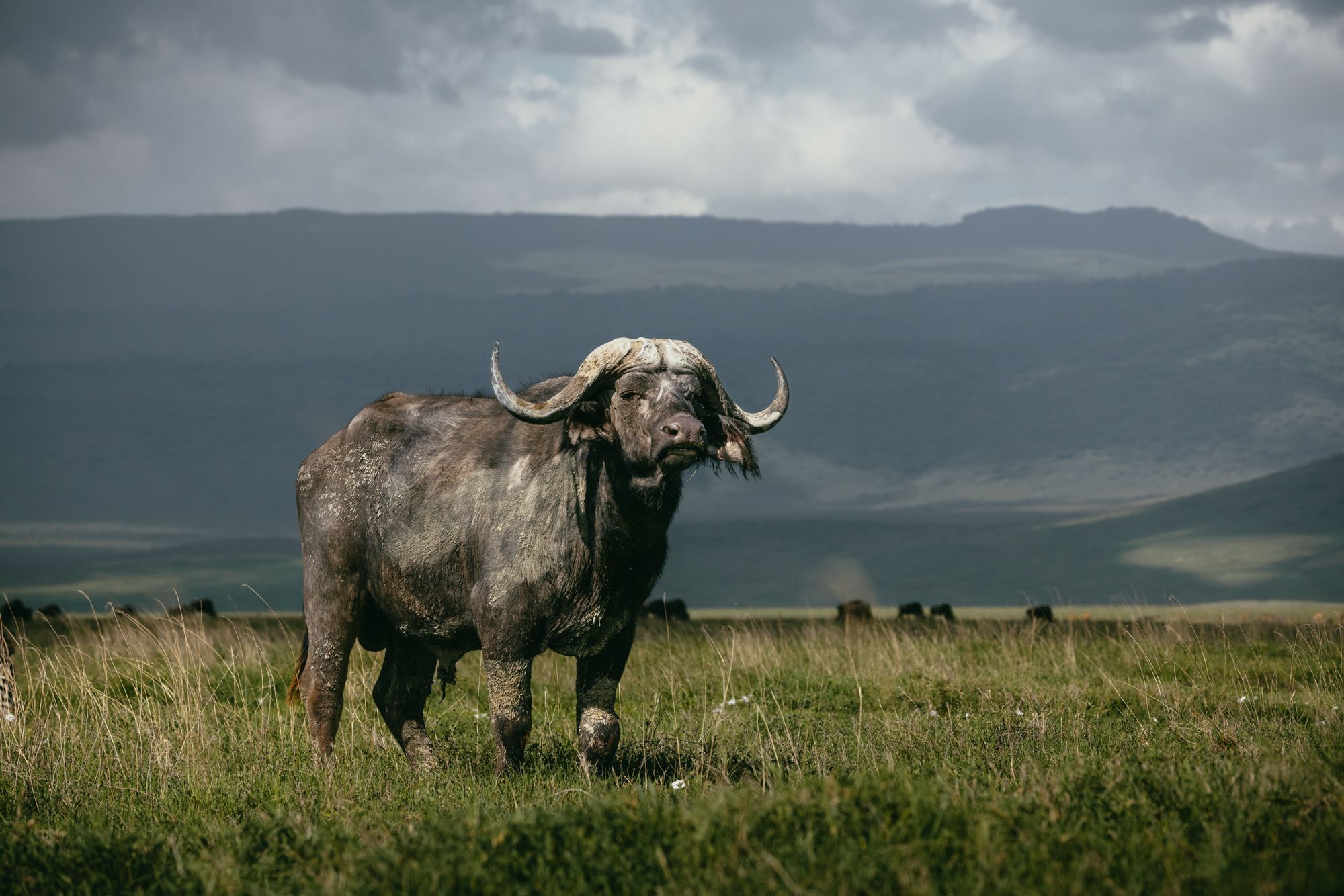
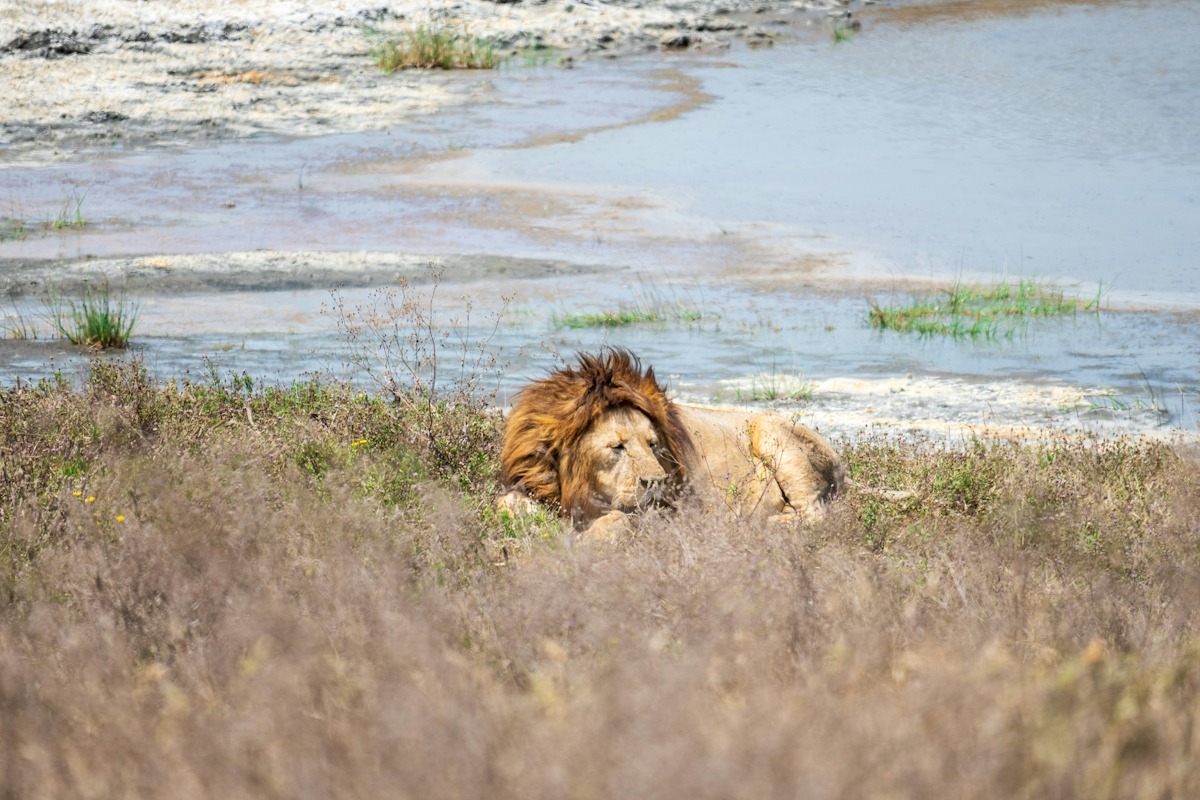
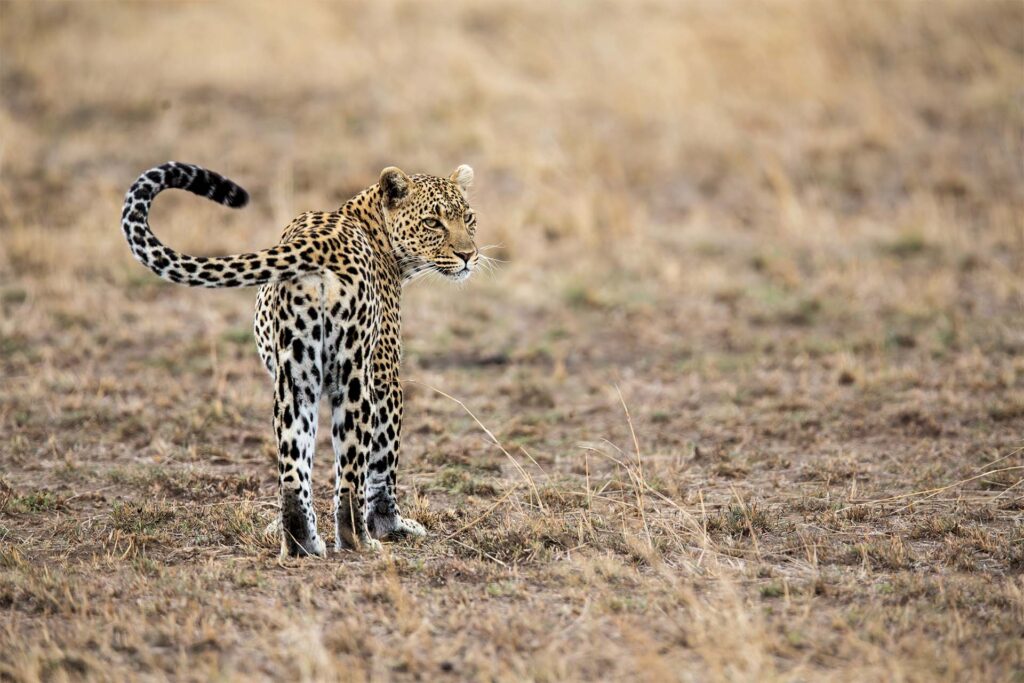
Ngorongoro Crater is famous for its opportunities to see the Big Five: lions, elephants, buffaloes, leopards and black rhinos. Lions are often seen resting or hunting across the grasslands. Elephants and buffaloes move through different parts of the crater. Black rhinos are among its most special sightings. However, seeing every member of the Big Five is never guaranteed.

Dramatic Volcanic Scenery

The crater’s landscape is a major attraction in its own right. Visitors descend from the high crater rim to explore the open floor below. Grasslands stretch across the basin, while Lerai Forest provides habitat for elephants and other wildlife. Swamps and freshwater springs support animals throughout the year. Lake Magadi, a shallow alkaline lake, can attract flamingos and other waterbirds.

Wildlife, Culture and Ancient History

The wider Ngorongoro Conservation Area offers more than wildlife viewing. It includes Olduvai Gorge, an important archaeological site that has helped researchers understand early human history. Maasai communities also live within the wider conservation area, maintaining pastoral traditions and a strong connection to the land. This combination of wildlife, geology, archaeology and living culture makes Ngorongoro a distinctive destination.

Iconic wildlife

Black Rhinoceros Wildebeest Zebra Lion Leopard Cheetah African Elephant Buffalo Hippopotamus Flamingos Thomson's Gazelle

When To Visit Ngorongoro Crater

Ngorongoro Crater in January

January brings warm weather and green scenery. Wildlife viewing is often excellent across the crater floor. The wider Ngorongoro ecosystem may also offer opportunities to see wildebeest during the calving season.

Overview

A Very good time to Visit.

Weather in January

Overview

A Very good time to Visit.

Weather in January

Ngorongoro Crater in February

February is a good month for wildlife viewing and photography. The crater’s grasslands remain attractive, and many animals can be seen near water sources. The wider ecosystem is also known for wildebeest calving during this period.

Overview

A Very good time to Visit.

Weather in February

Overview

A Very good time to Visit.

Weather in February

Ngorongoro Crater in March

March often brings more rain as the long rainy season develops. The landscape becomes greener, and birdwatching can be rewarding. Wildlife remains abundant, although showers may affect some game drives.

Overview

A Very good time to Visit.

Weather in March

Overview

A Very good time to Visit.

Weather in March

Ngorongoro Crater in April

April is usually one of the wettest months. The crater’s grasslands and forests become lush, creating beautiful scenery. However, heavy rain can make roads muddy and reduce travel flexibility.

Overview

This is not a great time to visit.

Weather in April

Overview

This is not a great time to visit.

Weather in April

Ngorongoro Crater in May

Rain may continue during May, although conditions can vary. The crater remains rich in wildlife, and the surrounding highlands look fresh and green. This month may suit travellers who prefer quieter conditions and do not mind occasional rain.

Overview

A Very good time to Visit, with Pros & Cons

Weather in May

Overview

A Very good time to Visit, with Pros & Cons

Weather in May

Ngorongoro Crater in June

June marks the start of the main dry season. Skies often become clearer, and grass begins to thin in many areas. These conditions can improve visibility during game drives.

Overview

A Very good time to Visit.

Weather in June

Overview

A Very good time to Visit.

Weather in June

Ngorongoro Crater in July

July offers excellent conditions for exploring the crater. Wildlife is often easier to spot in the shorter grass, and rain is less frequent. The crater rim can be cold, especially in the early morning.

Overview

A Very good time to Visit.

Weather in July

Overview

A Very good time to Visit.

Weather in July

Ngorongoro Crater in August

August is one of the strongest months for a Ngorongoro safari. Dry conditions support clear views across the crater floor. Visitors also have good opportunities to see predators, grazing animals and black rhinos.

Overview

A Very good time to Visit.

Weather in August

Overview

A Very good time to Visit.

Weather in August

Ngorongoro Crater in September

September usually brings continued dry weather and excellent game-viewing conditions. Animals gather around reliable water sources, while open grasslands make wildlife easier to observe.

Overview

A Very good time to Visit.

Weather in September

Overview

A Very good time to Visit.

Weather in September

Ngorongoro Crater in October

October is generally warm and dry, although conditions can change toward the end of the month. Wildlife viewing remains rewarding, and the scenery may begin to change as the first short rains approach.

Overview

A Very good time to Visit.

Weather in October

Overview

A Very good time to Visit.

Weather in October

Ngorongoro Crater in December

December often brings a mix of sunshine and rain. The crater becomes greener, and the surrounding highlands offer attractive views. Wildlife viewing remains good, making this a suitable month for a holiday safari.

Overview

A Very good time to Visit.

Weather in December

Overview

A Very good time to Visit.

Weather in December

Ngorongoro Crater in November

Short rains often begin in November. Fresh grass appears across the landscape, and bird activity can increase. Wildlife remains present throughout the crater, although afternoon showers may interrupt some activities.

Overview

A Very good time to Visit.

Weather in November

Overview

A Very good time to Visit.

Weather in November

Places to Stay in Ngorongoro Crater

Embalakai Ngorongoro Camp

Ang’ata Ngorongoro Camp

Ngorongoro Crater Tours

4 Days

Mid-Range

4-Day Mid-Range Epic Tanzania Safari Adventure

Discover Tarangire’s elephant herds and ancient baobab trees, Ngorongoro Crater’s…

From $1370

5 Days

Mid-Range

5-Day Mid-Range Best of Tanzania Safari

Discover Tarangire’s elephant herds, Ngorongoro Crater’s abundant wildlife, the Serengeti’s…

From $1990

3 Days

Mid-Range

3-Day Mid-Range Taste of Tanzania Safari

Explore Tarangire’s elephant herds and ancient baobab trees, then discover…

From $1105

8 Days

Mid-Range

8-Day Tanzania Mid-Range Safari & Zanzibar Beach

Explore Tarangire’s elephant herds and the wildlife-rich Ngorongoro Crater with…

From $2350

12 Days

Luxury

12-Day Tanzania Luxury Safari & Zanzibar Beach All-Inclusive

Explore Tanzania’s iconic wildlife destinations with your private Elken Safaris…

From $6550

12 Days

Luxury

12-Day Luxury Honeymoon Safari & Zanzibar Beach All-Inclusive

Celebrate your honeymoon with a private Tanzania safari and a…

From $6550

Ready to explore Ngorongoro Crater?

Start Planning Your Dream Safari

Ready to explore Tanzania? Get in touch with our team to discuss a safari itinerary around this destination, tailor the experience to your interests and start planning a journey that is uniquely yours.

Popup Tailor made safari

YOUR CONTACT DETAILS

TRAVEL INFORMATION

HOW MANY PEOPLE WILL BE TRAVELING


DO YOU HAVE ANY PREFERENCES FOR YOUR TRIP?